
It is a widely-held view that QSRs emerged from the pandemic in stellar shape after they demonstrated that a multi-channel approach and a consistent menu strategy is a giddy combination for consumers eager to satisfy their cravings quickly and easily.
They have also led the way in terms of driving consumer engagement through digitisation to achieve sales conversions and increase market share.
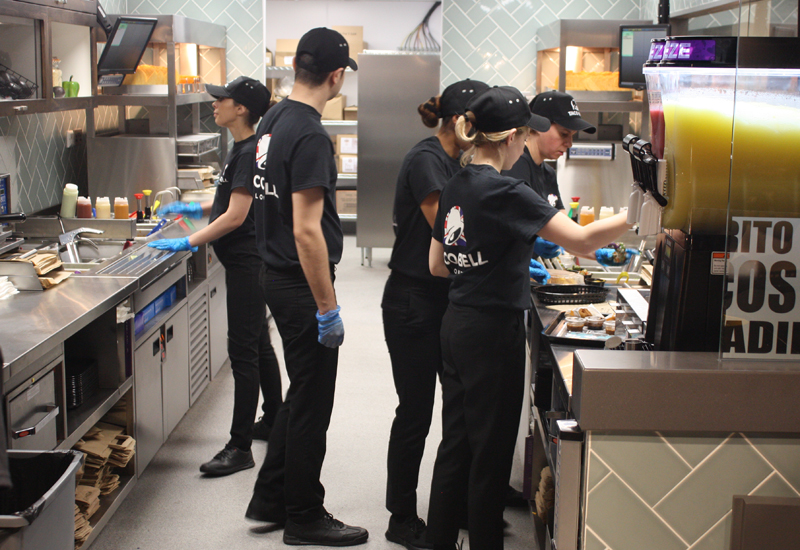
But they also face a unique set of operational challenges that come with running high volume kitchen operations. Equipment typically has to be customised to meet the precise nature of the demands they face and ensure product consistency across multiple sites is achieved.
Back-of-house areas are notoriously tight for space, with storage and holding requirements continuing to prove a key topic where hot food is concerned.
On top of that, issues such as oil management are vitally important. Solutions which can reduce energy and oil usage are invaluable in the current environment of rising costs.
While the QSR market is highly established in the UK, it continues to undergo structural changes. The main players agree there is ample room for growth, however.
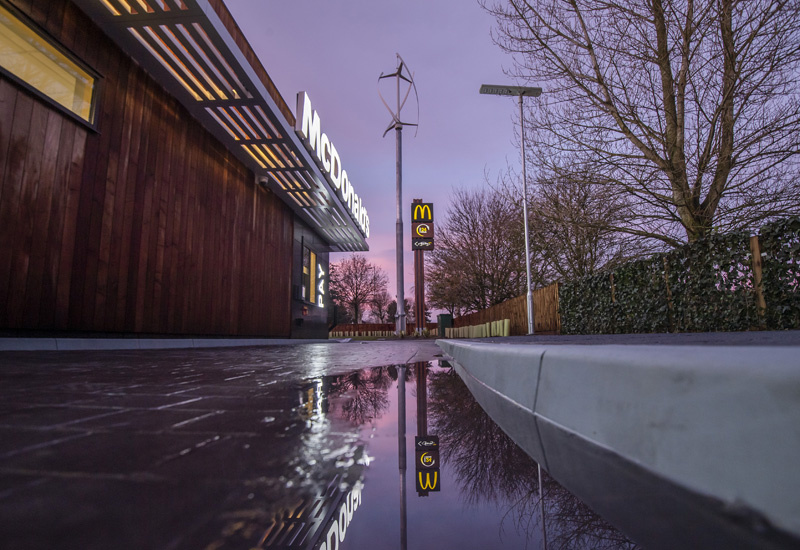
McDonald’s, the king of fast food, has just acquired its largest franchisee, Appt Corporation, which runs 43 sites in the south of England, employing more than 3,500 staff.
Its arch rival, Burger King, meanwhile, has said it plans to open 200 more restaurants in the UK by 2026 after sales soared to more than £200m last year.
KFC opened its 1,000th UK restaurant earlier in the year and will add a further 50 branches by the end of 2022 in yet another sign of the land grab taking place in the sector. It, too, has set itself the target of opening 300 more sites over the next five years.
KFC’s journey to 1,000 restaurants has been underpinned by a solid business strategy over the past five years, focusing on estate and growth of sales, and backed up by a brand transformation to attract a new audience through cultural relevance and bold communications, increasing demand and sales.
‘Healthy’ fast food chain Leon is cranking up its growth plans, too, under the ownership of EG Group. It is targeting 50 new restaurants over the next 12 months.
The company plans to double the pace of its roll-out programme in a move that will create 1,000 jobs this year and 4,000 over the next three years.
New restaurants will include both traditional and new formats such as drive-thrus, smaller restaurants on petrol forecourts and Asda premises, and ‘Leon To Go’ coffee outlets.
Digital engagement
Leon’s restaurant expansion programme will be accompanied by additional investment in digital platforms across the chain’s sites.
This will include new digital kiosks and menu screens, engaging customers more effectively. Leon said further technology investments will be focused on enabling customers to order remotely without a queue, whether that is in the comfort of a restaurant, in a car, or at home.
Glenn Edwards, managing director of Leon restaurants, said: “For the first time we will be taking Leon across the country, driving regional growth at speed. The new formats in this roll-out will build on our traditional restaurants and form a base for further growth. Making Leon even more accessible is at the heart of this strategic expansion. We are focused on delivering for our clients and living up to Leon’s mission — making it easier for everybody to eat well, live well and be kind to the planet.”
International competition
Established operators certainly seem motivated by the knowledge that they face extra competition. And they don’t come much bigger than the likes of Jollibee, Wendy’s and Popeyes, which have all begun developing operations in the UK.
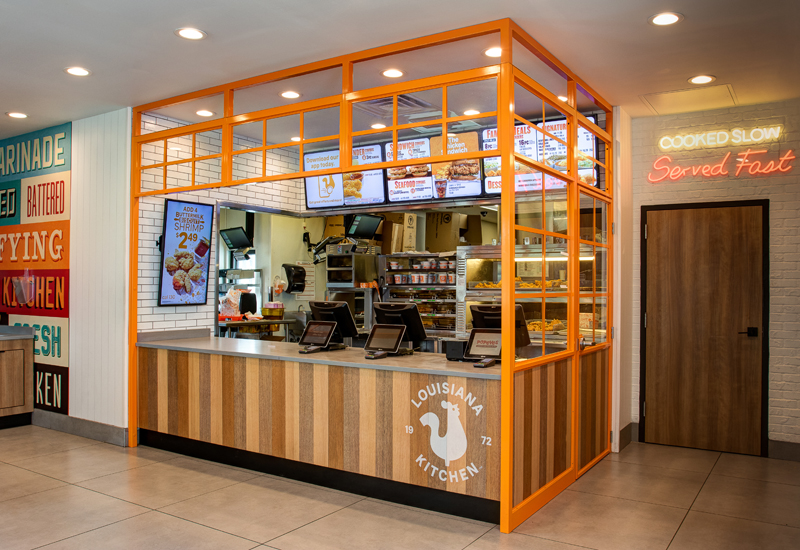
Popeyes’ first UK store in Westfield Stratford already ranks among the brand’s top 10 largest restaurants for sales globally after a remarkable debut performance. The US chain operates some 3,600 restaurants worldwide, but its Westfield site has made an explosive impact by gate-crashing the top 10 after a whirlwind introduction to the UK last year.
Thousands of fans queued for a first taste of its famous Louisiana fried chicken menu when it launched and the demand has shown no signs of waning.
“We’ve been blown away by the UK’s response to Popeyes, with guests queuing for hours to try it,” said Tom Crowley, CEO at Popeyes UK. “Our legendary menu and Southern spirit have captured the capital already, and we look forward to building on that with the launch of [a site in] Chelmsford.”
Popeyes UK is aiming to open hundreds of sites across the next decade, and has also launched additional delivery kitchens with Deliveroo Editions in Battersea and Whitechapel which have seen huge take-up.
Meanwhile, smaller players with high ambitions such as Thunderbird Fried Chicken and Neat Burger are looking to add something new to the market with their focused menu strategies and highly defined brand identities.
Neat Burger has laid out plans to lead the plant-based food boom with a wide range of innovative new products. The group is expanding its food technology division with the establishment of new innovation centres and has appointed James Skidmore, previously CEO at food manufacturer Hain Daniels, to its advisory board.
Zack Bishti, co-founder and CEO of Neat Burger, said the company plans to roll out its burger patty and a range of other proprietary products including new improved versions of its chicken patty, hot dog, nuggets and shakes, by the end of the year.
“We know there is everything to play for in terms of introducing plant-based food to the mass market and this development represents a major step forward for us to achieve this goal. With international ambitions and a clear roll-out programme we expect our products to become household items.
“We are the only plant-based food group with restaurants at our heart and, armed with customer feedback, our in-house food tech team are able to control all aspects of the development and production process. We take no short cuts, use the best possible ingredients and are dedicated to delivering consumers a superior product offering.”
The QSR sector has demonstrated a clear ability to move with the times and provide consumers with access to fast food in a way that suits them best. Future progress will most certainly hinge on their success at harnessing the latest technology — both front- and back-of-house.
The QSR category of the 2022 Market Landscape Report is supported by Henny Penny. For more information, please visit https://henny-penny.jestic.co.uk or call 01892 831960.